
Each december the leaders of China’s Communist Party gather to discuss their “economic work” for the year ahead. The lengthy statement they then release to the public provides a clue to their thinking and priorities. But by the time the leaders met on December 15th and 16th in Beijing, the most fateful economic choice of the next 12 months had already been made.
Leído y recomendado


The pandemic and the triumph of the Luddites
It was meant to be a bloodbath. When covid-19 struck in early 2020, economists warned that a wave of job-killing robots would sweep over the labour market, leading to high and structural unemployment. One prominent economist, in congressional testimony in the autumn, asserted that employers were ”substituting machines for workers”. A paper published by the imf in early 2021 said that such concerns “seem justified”. Surveys of firms suggested they had grand plans to invest in artificial intelligence and machine learning.
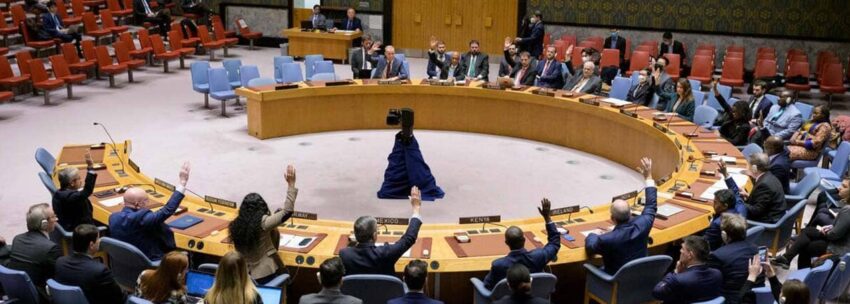
Removing Russia from the Security Council: Part Two
When the USSR dissolved in 1991, nobody pursued the possibility at the time, but two UN Members besides Russia thus were also, in principle, claimants to the USSR Security Council seat. Both already were present at the UN in 1991, and both had been there for the entirety of the UN’s history. Both were USSR Union Republics, Russia’s constitutional equals in that system.
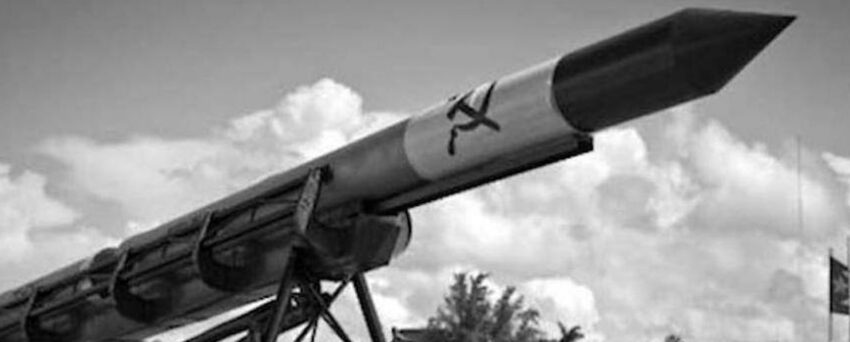
Is Russia running out of ammunition?
“So let me tell Putin tonight what his own generals and ministers are probably too afraid to say,” declared Admiral Sir Tony Radakin, Britain’s chief of defence staff, on December 14th: “Russia faces a critical shortage of artillery munitions.” Ten days earlier Avril Haines, America’s top intelligence official, had offered a similar judgment. Is Russia running out of shells?
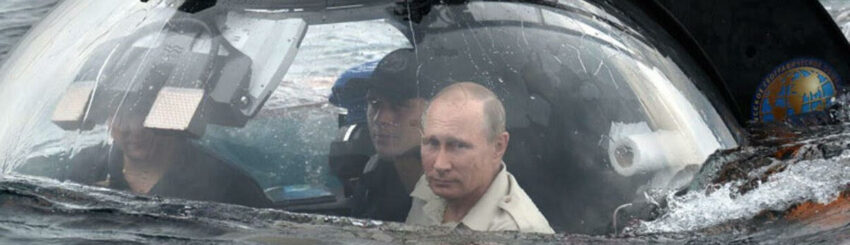
No conclusive evidence Russia is behind Nord Stream attack
World leaders were quick to blame Moscow for explosions along the undersea natural gas pipelines. But some Western officials now doubt the Kremlin was responsible.
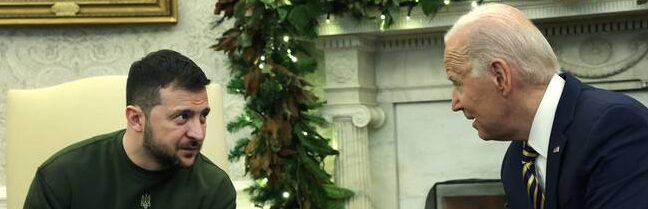
Why Putin’s Winter Offensive Will Prompt US Entry Into the War
Volodymyr Zelensky did not fly across the Atlantic so he could deliver a speech to the US Congress. That was not the purpose of his trip. The real objective was to produce a galvanizing event that would create the illusion of broad-based public support for the war. That is why the speech was broadcast on all the mainstream media channels and that is why Congress repeatedly greeted Zelensky with raucous applause.

A wave of covid-19 reveals flaws in China’s health system
Within the next month, China’s medical institutions will face their “darkest hour”. This warning by Zhang Wenhong, a prominent infectious-disease expert, has been circulated by state media. It reflects a view that not long ago would have been treated as heresy in “zero-covid” China. But with the virus now sweeping the country, including its hospitals, talk of crushing it has ceased. People are queuing for hours at fever clinics. Medical staff are falling sick in droves. In the coming weeks deaths will rise rapidly as the disease takes its toll on an undervaccinated population.

Free speech is not in peril in America
The great American debate about free speech is flaring again, this time around Elon Musk’s curating of Twitter. He is restoring speech rights or denying them, depending on your view. The predictable parties are declaring their positions and luxuriating in righteousness. They will change few minds, also predictably, because they are tussling over the wrong end of the stick. America has no problem with speech. It has a problem with listening.
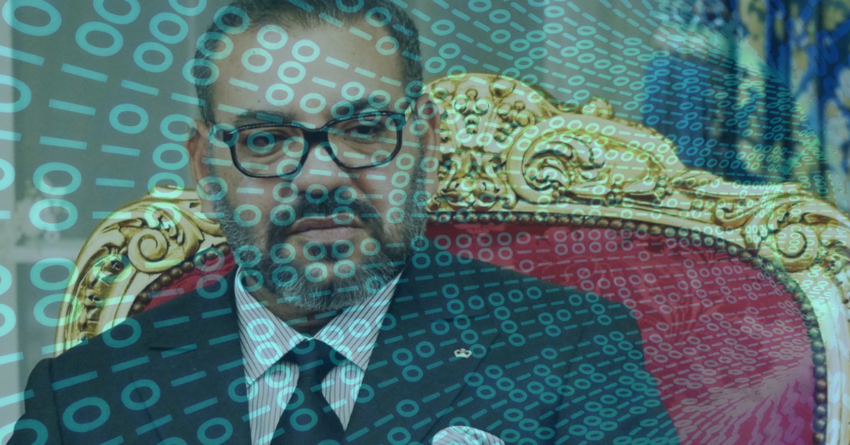
Marruecos quiere que la justicia española le exonere del espionaje del ‘caso Pegasus’
Marruecos quiere obtener de la Justicia española lo que hasta ahora no ha conseguido de la francesa: la exoneración de cualquier responsabilidad en el espionaje masivo con el programa israelí Pegasus. El próximo 13 de enero está previsto que se celebre en un Juzgado de Primera Instancia de Madrid el juicio por la demanda civil que el Reino de Marruecos ha interpuesto contra el periodista español Ignacio Cembrero.
Avanzar hacia un mundo compartido: nuestro reto como europeos en el año de la Presidencia española
«El año de la quinta Presidencia española del Consejo de la UE, que llega en un momento clave política y económicamente, debería servirnos como europeos para seguir resolviendo las causas de fondo de nuestras debilidades y amenazas, con una visión de medio y largo plazo, definiendo respuestas compartidas con nuestros innumerables socios»