
The transition back to normal life is proving difficult
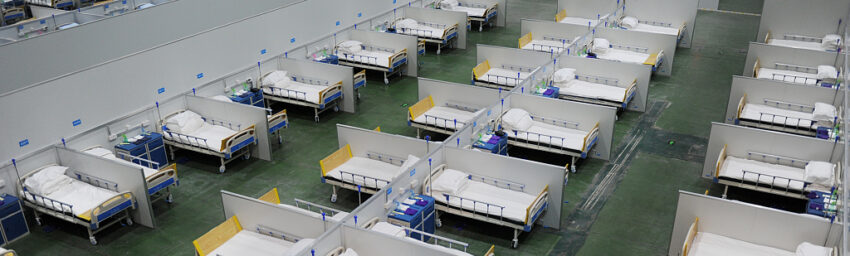
Outside the People’s Hospital of Dezhou, a small city in the coastal province of Shandong, an old woman on a stretcher, breathing quickly with her eyes closed, is unloaded from an ambulance. A few minutes later she is put back into it. Her family members start calling other hospitals. There is no room at this one.
Leído y recomendado
Republicans struggle to elect a speaker of the House
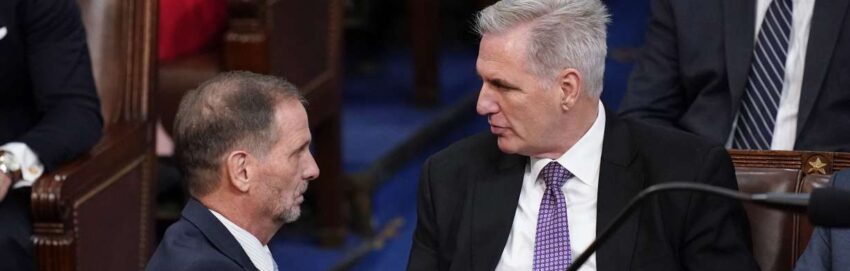
American and British conservatives are distinct species. But in one respect—a cannibalistic impulse to kill and consume their leaders—they are similar. On January 3rd Kevin McCarthy, the Republican congressman who for the better part of a decade has yearned to be elected speaker of the House of Representatives, found himself on the receiving end. Though Republicans secured a narrow majority in midterm elections in November, a contingent of hardline congressmen have banded together to deny their party leader the absolute majority he needs to obtain the speakership.
Pope Benedict XVI was an iron fist in a white glove
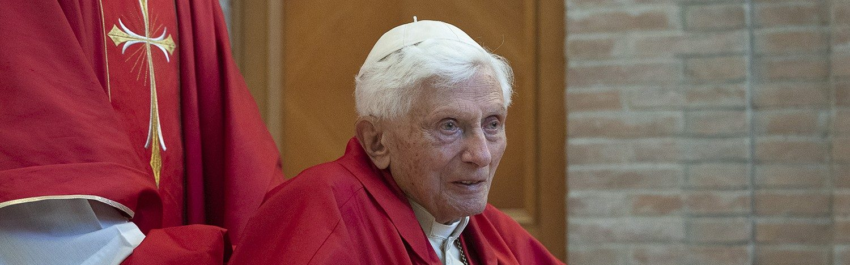
Pattering in the forceful, tumultuous wake of John Paul II, Benedict XVI had a hard act to follow. In 2005 there were few expectations. Or rather, there were expectations of the wrong kind: that the man who from 1981 had been prefect of the Congregation for the Doctrine of the Faith (cdf) would rule the Roman Catholic church like an elderly headmaster, waspish and intolerant, with the fires of a new Inquisition gleaming in those pale blue eyes.

Starlink’s performance in Ukraine has ignited a new space race
Never mind the moon; look to low-Earth orbit.
“IT’S A FACT: we’re in a space race.” So said Bill Nelson, the boss of NASA, on January 1st. If China managed to land on the Moon before America returned there, he warned, it could seize lunar resources for itself, and even tell America: “Keep out, we’re here, this is our territory.”
How China’s reopening will disrupt the world economy
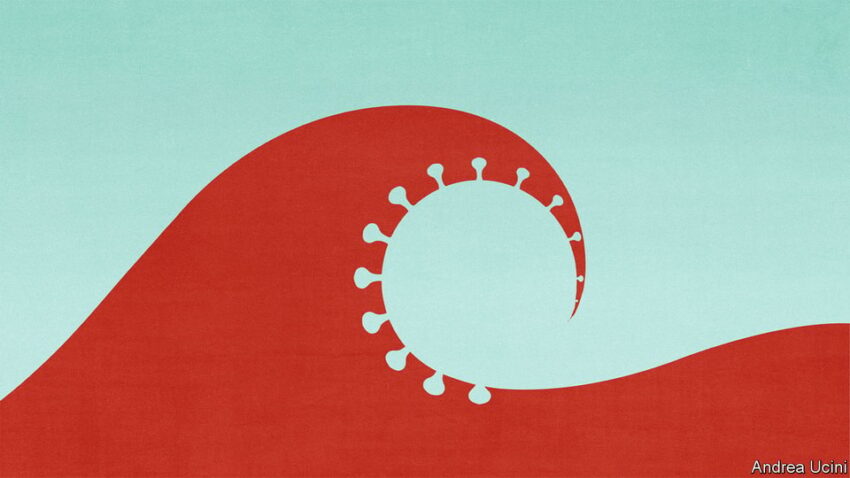
For the better part of three years—1,016 days to be exact—China will have been closed to the world. Most foreign students left the country at the start of the pandemic. Tourists have stopped visiting. Chinese scientists have stopped attending foreign conferences. Expat executives were barred from returning to their businesses in China. So when the country opens its borders on January 8th, abandoning the last remnants of its “zero-covid” policy, the renewal of commercial, intellectual and cultural contact will have huge consequences, mostly benign.
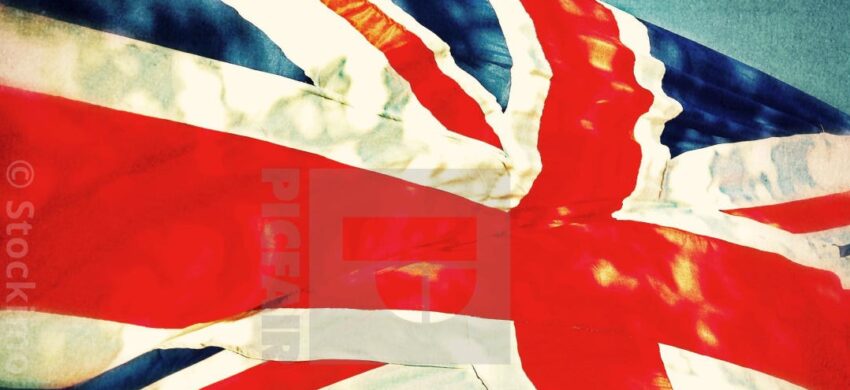
A realistic path to a better relationship between Britain and the EU
Ten years ago this month, David Cameron, Britain’s prime minister at the time, gave a speech at the London headquarters of Bloomberg, a news organisation. In it Mr Cameron outlined his cunning plan to cement Britain’s place in the European Union, by triggering a fundamental reform of the bloc and then offering Britons an in-out referendum on membership. That went well. The 2016 vote to leave the bloc has exacerbated Britain’s economic malaise, gumming up trade and muting investment. It has soured Britain’s relationship with many of its natural allies and weakened the bonds of its own union.
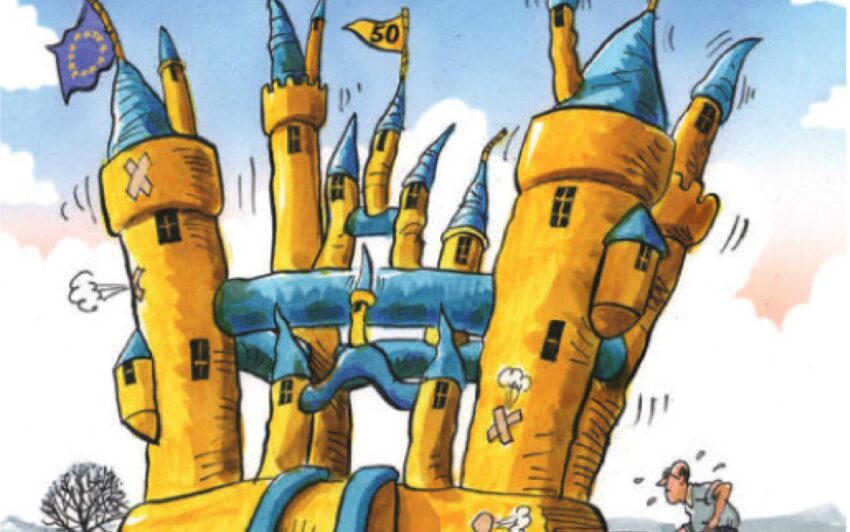
Fifty years ago, the EU cracked the secret of its current success
Enlargement has kept Europe dynamic and relevant
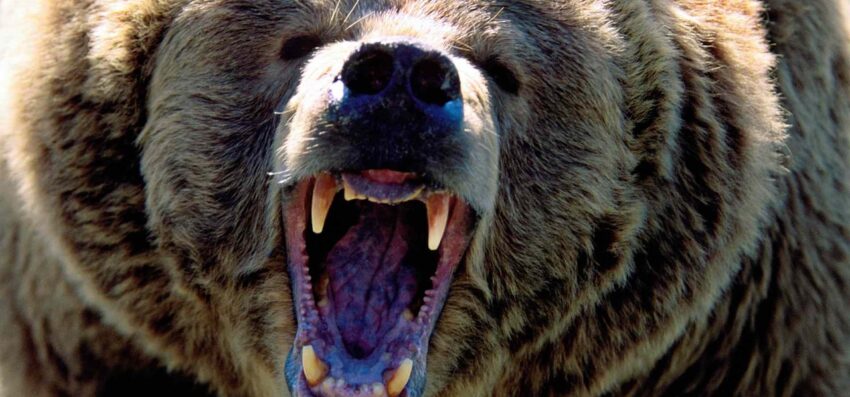
Russia’s Dangerous Decline
At a White House ceremony on August 9, days after the U.S. Senate agreed in a near-unanimous vote to ratify the expansion of nato to include Finland and Sweden, U.S. President Joe Biden highlighted how Russia’s invasion of Ukraine had backfired on Russian President Vladimir Putin. “He’s getting exactly what he did not want,” Biden announced. “He wanted the Finlandization of nato, but he’s getting the natoization of Finland, along with Sweden.” Indeed, Russia’s invasion of Ukraine has been a massive strategic blunder, leaving Russia militarily, economically, and geopolitically weaker.

El Gran Maestro de los masones de Cuba denuncia un «golpe de Estado» de la contrainteligencia
Alfonso Vidal pide asilo en EE UU y acusa a la Seguridad del Estado de maniobrar para apoderarse de la Gran Logia
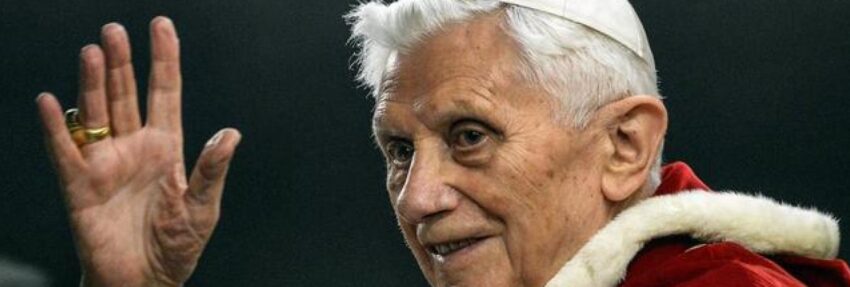
La Iglesia después de Benedicto XVI
Ratzinger ha dejado el camino marcado. No debería sorprendernos que Francisco, que acaba de cumplir 86 años y al que le falta parte de uno de sus dos pulmones y se mueve en silla de ruedas, presente también su renuncia próximamente